Kakuro Puzzle Book V1: A Practical Evaluation
For puzzle enthusiasts looking to engage with a classic logic game, Kakuro Puzzle Book V1 represents a specific, ready-to-publish product. This article provides a balanced evaluation of this puzzle book, its potential audience, and key considerations for anyone interested in digital puzzle publications.
Understanding Kakuro Puzzle Book V1
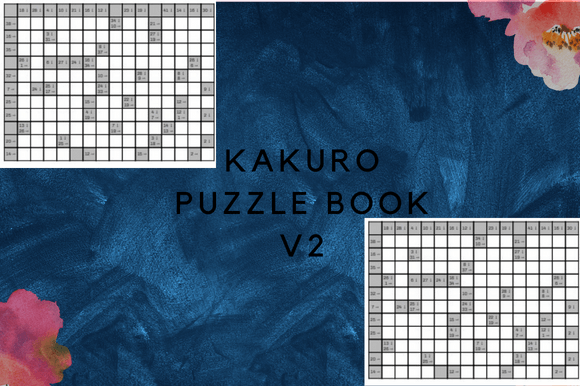
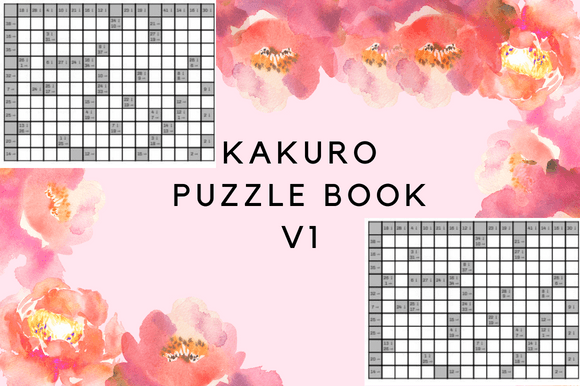
Kakuro Puzzle Book V1 is a formatted collection of Kakuro puzzles, prepared as a PDF file designed for direct upload to Kindle Direct Publishing (KDP). The book is structured with a standard trim size of 8.5 x 11 inches and is advertised as containing high-quality puzzles. Kakuro itself is a numerical logic puzzle often described as a cross between a crossword and a Sudoku. Players fill a grid with digits 1 through 9, ensuring that the sums of digits in each "word" (a row or column of contiguous white cells) match the clue number provided in the adjacent black cell, with no digit repeated within a single word.
This version of the book is positioned as a volume one, suggesting a series, and its primary selling point is its readiness for publishing. The PDF is finalized, implying that an individual or publisher could use it to quickly list a product on Amazon's KDP platform without additional design or puzzle generation work.
Potential Reasons for Interest
Interest in Kakuro Puzzle Book V1 typically stems from two distinct perspectives: that of a potential publisher and that of a puzzle consumer.
From a publishing standpoint, the product addresses a niche market claim. The assertion that Kakuro puzzles are "high demand, low competition" on Amazon is a key factor. For someone exploring self-publishing on KDP, a ready-made, formatted book reduces the barriers of entry. It eliminates the need for puzzle creation, software expertise, and layout design, offering a turnkey solution.
From a puzzle solver's perspective, a dedicated Kakuro book offers a curated challenge. Kakuro puzzles require different logical skills than Sudoku, focusing on summation and combinatorial reasoning. A book dedicated to this format provides a concentrated experience for fans of the genre or those seeking to develop new mental skills.
Benefits and Tradeoffs of the Prepared Product
The primary benefit of Kakuro Puzzle Book V1 for a publisher is efficiency. The time and cost associated with creating hundreds of unique, valid Kakuro puzzles are significant. A pre-made book bypasses this development phase. The standardized 8.5 x 11 size is a common and accepted format for puzzle books, likely meeting customer expectations.
However, tradeoffs exist. Using a pre-prepared book means accepting the puzzle selection, difficulty progression, and internal layout as-is. There is no opportunity to tailor the content to a specific audience, such as beginners or experts, unless the original creator has already segmented the puzzles effectively. The publisher also surrenders control over branding elements like cover design and introductory text, which would need to be added separately to the PDF before KDP upload.
Alignment with Goals and Needs
Kakuro Puzzle Book V1 may be a strong fit in specific situations. For an individual or small business looking to test the KDP marketplace with minimal upfront investment, this product serves as a practical pilot project. It allows one to learn the KDP upload, pricing, and marketing process without the risk of sunk costs in content creation.
It could also align with the goals of a content aggregator who wishes to offer a variety of puzzle types under a single brand. Adding a Kakuro book to a portfolio of Sudoku or crossword books can diversify offerings.
For the end-user, the book's fit depends entirely on the quality and range of puzzles inside. A well-structured book with clear difficulty gradients and a sufficient number of puzzles would meet the needs of a casual to intermediate Kakuro player looking for a physical book experience.
Where Alternatives Might Be Worth Considering
Alternatives to using Kakuro Puzzle Book V1 should be considered based on one's resources and objectives.
If customization and brand ownership are paramount, investing in Kakuro puzzle generation software or hiring a puzzle creator might be a better long-term path. This approach allows for complete control over puzzle style, book size, and series planning.
For puzzle solvers, alternatives are plentiful. Many free Kakuro puzzles are available online via websites and apps. These offer interactive solving and often infinite puzzles. A printed book's value, therefore, lies in the tactile experience, the absence of screen time, and the permanence of the collection. Consumers must decide if the convenience and variety of digital puzzles outweigh the focused experience of a book.
Furthermore, from a publishing competitiveness perspective, the "low competition" claim requires verification. A market analysis on Amazon for Kakuro books should be conducted to assess the actual number of listings and their quality. Entering a market with a generic, pre-made product might not suffice if other books have stronger branding, better reviews, or more sophisticated puzzle curation.
Practical Decision-Making Insights
Evaluating Kakuro Puzzle Book V1 requires a practical approach. For potential publishers, the first step is to scrutinize the PDF content itself. Assess the puzzle quality: are they unique, error-free, and visually clear? Examine the layout: is there ample solving space, and are the pages well-organized? Consider the total puzzle count and the presence of solutions.
Next, calculate the financial model. Compare the cost of acquiring this pre-made book against the potential royalty from KDP sales, considering Amazon's pricing structure and the competitive price points of existing Kakuro books.
For puzzle buyers, the decision hinges on personal preference. If you enjoy disconnecting from digital devices and prefer a book you can pick up and put down easily, a printed Kakuro puzzle book has merit. However, if your priority is volume, variety, or adaptive difficulty, a dedicated app or website subscription might offer more value.
In both cases, the version number "V1" is a consideration. It implies a first volume, which could be a positive if it indicates a straightforward, foundational collection. However, it also may suggest a simpler or earlier product compared to more advanced or specialized Kakuro books available.
Final Considerations
Kakuro Puzzle Book V1 serves a specific function in the puzzle publishing ecosystem. Its value is not inherent but contextual, depending heavily on the user's situation. For a quick publishing experiment or a basic introduction to Kakuro book creation, it provides a clear starting point. For an established publisher or a discerning puzzle aficionado, the lack of customization and potential generic nature might make it less appealing.
The key is to match the product's attributes—pre-made, standard size, focused content—with your precise needs. By objectively weighing the benefits of ready-to-use content against the tradeoffs of limited control and the expectations of the target market, you can determine whether Kakuro Puzzle Book V1 aligns with your publishing goals or your personal puzzle-solving requirements.