Mastering Blood Pressure Log Design
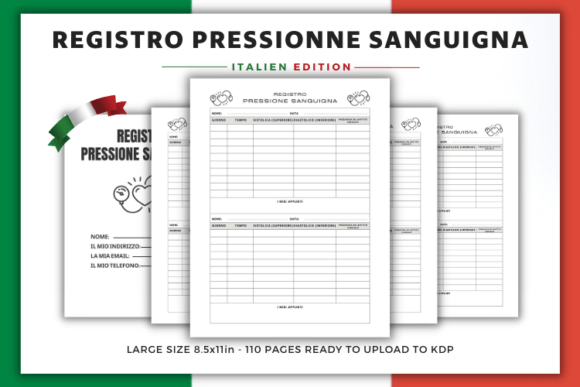
In the world of graphic design, the details of a well-crafted interior layout can transform a functional product into an essential tool, a principle perfectly demonstrated by the Registro Pressione Sanguigna Interior and Blood Pressure Log Book Italian Edition.
This downloadable package is more than just a printable template; it’s a comprehensive study in editorial design and user experience. For designers, marketers, and creators, understanding how such a resource is constructed offers invaluable lessons in visual hierarchy, professional presentation, and practical usability.
The Anatomy of a Functional Design Asset
At its core, this log book is a blend of print design and information design. The provided 110-page interior, sized at 8.5 × 11 inches with no bleed, is a canvas for clear communication. The structure must prioritize readability and ease of use, guiding the user through daily entries with intuitive layouts.
This demands careful consideration of several key design principles:
- Typography: Choosing legible fonts for both headers and data entry fields, ensuring numbers and notes are easily recorded and reviewed.
- Visual Hierarchy: Using spacing, weight, and size to distinguish dates, pressure readings, and notes without clutter.
- Modern Aesthetics: A clean, uncluttered style that feels professional and trustworthy, which is crucial for health-related materials.
Practical Applications Beyond the Page
The design thinking behind this interior extends far beyond a single product. The lessons learned here are directly applicable to numerous creative projects and branding initiatives.
Consider the process of adapting such a template for different markets or purposes. A designer might use the foundational layout to create variations for other health journals, financial planners, or project management logs. The consistent grid, logical flow, and balanced color palette serve as a flexible framework.
Integrating Design Assets into Creative Workflows
For business owners and content creators, ready-to-use resources like this streamline production. The included PDF and PNG files are creative assets ready for integration into broader campaigns.
Imagine using elements of the log’s clean visual style in related digital marketing materials: a website’s health resources section, social media graphics promoting wellness, or informative email newsletters. This creates a cohesive brand identity across all touchpoints, from the printed log to the digital interface.
In UI design and UX design, the emphasis on clear data entry and tracking informs how digital forms and dashboards should be structured. The goal is always to reduce friction and enhance the user’s ability to accomplish their task—whether logging a blood pressure reading or completing an online purchase.
A Template for Professionalism
The availability of editable files underscores a critical point in modern design workflow: flexibility. Being able to download, edit, and adapt a design allows for customization to meet specific audience expectations or align with an existing brand system. You can adjust colors to match your logo design, modify typography for better cultural alignment, or restructure pages for different use cases.
This adaptability is key for projects ranging from packaging design for health products to advertising campaigns for medical services. The underlying design must be scalable and maintain its integrity across formats.
Ultimately, whether the final product is a printed book, a digital PDF, or a series of web pages, the principles remain the same. Thoughtful design choices in layout, typography, and composition elevate the content. They build trust through a professional presentation, improve comprehension through clear visual communication, and enhance engagement through a considered aesthetic.
Investing time in understanding and utilizing well-designed creative assets is not merely about aesthetics; it’s about crafting more effective tools and communications. It empowers you to deliver information with clarity, build stronger connections with your audience, and present your work—or your client’s work—with the authority and polish that reflects its true value.