Unlock Your Creativity with a Daily Food Tracker Log Book Interior
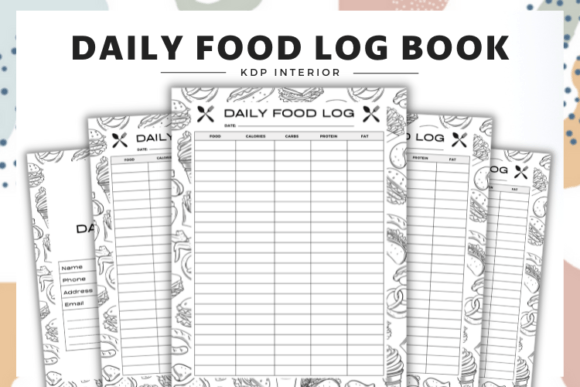
For anyone involved in digital publishing, content creation, or wellness coaching, a well-designed Daily Food Tracker Log Book Interior is more than just a series of pages. It represents a structured canvas, a professional tool that bridges the gap between intention and habit. The provided digital product—a complete set of PDF and PNG files formatted for a large 8.5 × 11 size, spanning 110 pages—is a foundational asset. It’s ready for upload to platforms like KDP or for personal printing, offering immense flexibility. This isn't merely a template; it’s a starting point for a multitude of creative and professional applications.
The Core Utility of a Structured Food Log
At its heart, a Daily Food Tracker Log Book Interior provides a systematic framework for recording meals, nutrients, moods, and goals. Its usefulness stems from its organization. Pre-designed pages encourage consistency, which is crucial for anyone tracking dietary habits for health, fitness, or wellness purposes. For the creator or entrepreneur, this translates into a product that meets a clear market need: people seeking a tangible, printable tool to support their journey. The no bleed design simplifies the printing process, making it accessible for both commercial print-on-demand services and home use.
A Launchpad for Creative Adaptation
The true value lies in how you adapt this interior. You are not confined to selling a standard food log. Consider it a modular system. The clean, large-format pages can be reimagined. A graphic designer might overlay new color schemes, illustrative elements, or custom icons using the provided PNG files, tailoring the aesthetic to a specific audience—perhaps a minimalist community or a vibrant, motivational group. A blogger focusing on holistic health could extract sections to create complimentary digital worksheets for their audience, enhancing their content's value.
An educator or coach might integrate the tracker into a broader course package, using it as the physical practice component of a digital nutrition program. The editable nature of the files means you can rename categories, add prompts for mindfulness or hydration, or even merge pages to create a weekly overview instead of a daily one. This flexibility allows you to solve niche problems, like creating a tracker specifically for new parents monitoring infant feeding or for athletes logging macros and performance.
Diverse Applications Beyond Personal Use
Thinking beyond the individual consumer opens a spectrum of project ideas. For instance, a freelance publisher could use this interior as the core of a series: a basic tracker, a keto-specific version, a plant-based edition. Each variation addresses a sub-audience while leveraging the same underlying page structure, ensuring efficient production.
Small business owners in the wellness space—such as yoga studio owners or personal trainers—could brand these interiors with their logo and offer them as value-added merchandise or client gifts. The 110 pages provide substantial content, making the product feel comprehensive and worthy. Marketers might see this as a lead-generation tool; a simplified, shortened version of the tracker could be offered as a free download in exchange for an email subscription, building a community interested in health and productivity.
Ensuring Effective and Audience-Friendly Results
When adapting the Daily Food Tracker Log Book Interior, clarity and audience alignment are paramount. If you’re targeting busy professionals, consider streamlining the layout to focus on quick, bullet-point entries. For a more reflective audience, you might expand sections for journaling about emotional connections to food. Consistency in your modifications is key—if you add new elements, ensure they follow a unified visual style across all 110 pages to maintain professionalism.
Originality comes from understanding your user's unspoken needs. Perhaps the standard tracker lacks a section for tracking sleep patterns, which greatly influence eating habits. Adding a small, integrated sleep log column could make your version uniquely helpful. Always keep the 8.5 × 11 size in mind; it's ideal for readability and binding, but ensure any added graphics or text remain within the safe print area, especially with the no bleed specification.
Practical Steps for Implementation and Inspiration
Start by auditing the provided files. The PNGs allow for graphic edits in common software, while the PDF interiors are ready for upload but can also be modified with various PDF editors. Before making changes, define your goal: Are you creating a product for sale, a tool for your clients, or a resource for your website?
Here are some concrete directions:
- Theme It: Adapt the entire interior to a specific theme, like “Clean Eating,” “Mindful Eating,” or “Family Meal Planning.” Change titles, headers, and prompts accordingly.
- Combine Formats: Use pages from the tracker to create hybrid products. For example, intersperse weekly meal planning pages with the daily log pages to offer a more comprehensive planner.
- Digital Integration: For bloggers and online educators, create screen-friendly versions of key pages (using the PNGs) to accompany video tutorials or email newsletters, driving engagement.
- Localize It: If you have a regional audience, consider adding local seasonal food guides or measurement conversions (e.g., cups to grams) to the appendix sections of the log.
The process is straightforward: download, edit using tools you're comfortable with, and deploy. The ready for upload or print nature eliminates technical hurdles, letting you focus on creative and market-focused customization.
Balancing Inspiration with Functional Design
While creativity is encouraged, the core function of a tracker—to log information reliably—must never be compromised. Ensure that any stylistic changes, like fancy fonts or intricate backgrounds, do not reduce the legibility or usability of the log fields. White space is functional; crowded pages are daunting. Your adaptation should inspire the user to engage with the product daily, not just admire its design once.
Think about longevity. A 110-page book is meant to be used over months. Does your design encourage sustained use? Perhaps adding motivational quotes at the bottom of selected pages or a simple progress review page at the end can enhance the user experience. The aim is to create a tool that feels both personal and professional, a reflection of your creative input and a practical aid for the end user.
Ultimately, this Daily Food Tracker Log Book Interior is a versatile digital asset. It empowers creators to produce tangible, useful products without starting from a blank slate. By focusing on specific audience needs and applying thoughtful modifications, you can transform this foundational template into a unique offering that supports goals, builds habits, and reflects your own creative or professional vision.