Maximizing Your Blank Cook Book KDP Interior for Success
If you're exploring self-publishing on Amazon KDP, you’ve likely encountered the concept of low and no-content books. A BLANK COOK BOOK KDP INTERIOR represents a streamlined, ready-to-use template designed specifically for this market. It's not a filled recipe collection, but a structured, high-quality blank canvas where individuals can handwrite their own culinary creations. For entrepreneurs, hobbyists, and creators, this product offers a significant shortcut, bypassing the complex design and formatting work required to make a book print-ready. The interest is clear: it’s a tool that turns an idea into a physical product with minimal technical effort.
However, the simplicity of the concept can lead to overlooked details. Choosing the right template and using it effectively requires more attention than simply downloading a file and uploading it. Let’s discuss some common areas where a little forethought can dramatically improve your final product and customer satisfaction.
Understanding the Core Value and Common Missteps
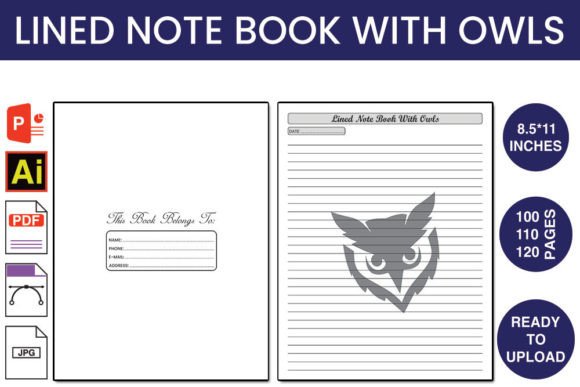
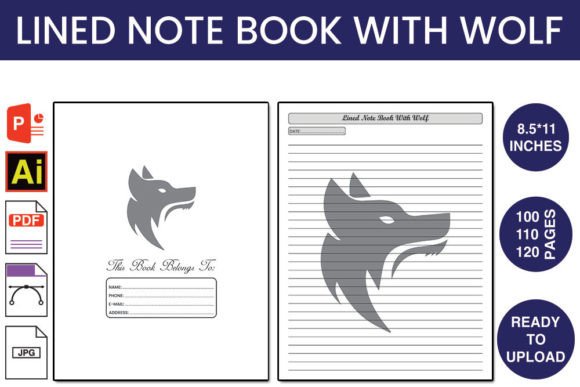
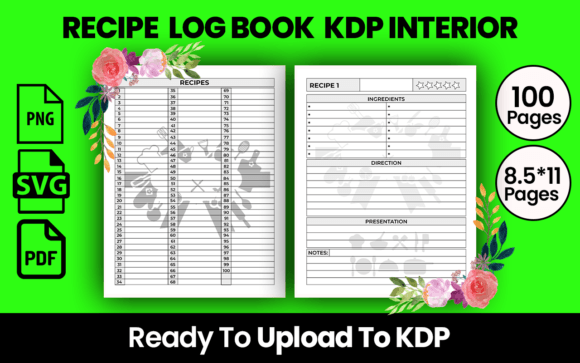
A primary misunderstanding is viewing a BLANK COOK BOOK KDP INTERIOR merely as a generic PDF. It's actually a professionally formatted publishing asset. The included variants—often 100, 110, and 120-page options—are crafted with specific margins, trim size (8.5" x 11"), and 300 PPI CMYK color settings to meet Amazon’s print standards. A common mistake is not selecting the page count that aligns with your pricing strategy and perceived value. A 100-page book might feel substantial enough for a personal family cookbook project, while a 120-page version could be more appealing for a commercial blank journal line. Choosing arbitrarily can affect the book's physical presence and its market competitiveness.
Another overlooked detail is the "No Bleed" specification. Bleed refers to graphics extending beyond the page edge to avoid white borders after trimming. A no-bleed design is correct and safe for a simple, text-and-line-based interior like a blank cookbook. Attempting to add full-page photos or colored backgrounds that require bleed to this template would result in a poor print outcome. The practical advice is to embrace the template’s intended use: for handwritten or typed text within its clean, predefined sections. Use it for its strength—organization and structure—not as a layout for a fully illustrated gourmet photography book.
File Formats and Quality Assurance
The product typically includes multiple file formats: PDF, PPT, AI, and PNG. Each serves a different purpose, and not utilizing them correctly is a frequent error. The PDFs are the final, print-ready files you upload to KDP. The PPT (PowerPoint) or AI (Adobe Illustrator) files, however, are golden opportunities for customization. Many users download only the PDFs and miss the chance to lightly personalize the interior—perhaps adding a subtle watermark, a unique header font on the cover page, or a custom page number design. This oversight can lead to a product that looks too generic amidst competitors.
Before uploading, use the provided PNG files or open the AI/PPT files in your software to verify the quality. Check that all lines are crisp, text is clear, and there are no hidden artifacts. This step ensures the high-quality promise translates to your specific use. Furthermore, always run a final check using Amazon’s KDP online previewer, even with "KDP Tested" files. Your local PDF viewer might render things slightly differently than Amazon’s print system. This due diligence prevents costly disappointments after ordering author copies.
Strategic Application and Market Positioning
A significant mistake is treating the blank cookbook interior as an isolated product without context. It’s a component of a larger business system. Simply uploading it with a basic cover might yield sales, but for sustainable success, consider its application. For example, pair it with a beautifully designed cover that speaks to a specific niche—"Vintage Family Recipe Journal" or "Modern Plant-Based Cooking Log." This transforms a blank template into a targeted solution. The better approach is to think of the interior as the engine, and your marketing, cover design, and book description as the steering wheel.
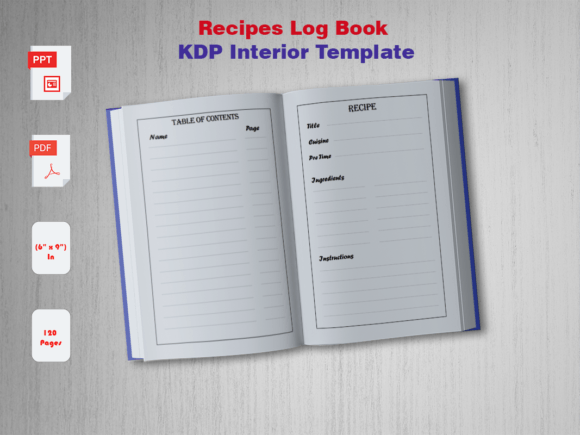
Also, consider the end-user experience. A blank cookbook needs logical sections. Evaluate the template’s layout: does it have designated areas for recipe names, ingredients, instructions, and notes? If it does, that’s a huge advantage for the person writing in it. If you customize it, preserve that usability. Adding too many decorative elements might clutter the writing space. The goal is to enhance the user’s satisfaction when they physically use the book, which leads to positive reviews and repeat purchases.
Practical Steps Before Your Final Decision
To avoid these pitfalls, follow a simple pre-launch checklist. First, audit the template against your skill set. If you have no graphic design software experience, the PDFs are your ready-to-go solution. If you have even basic PowerPoint skills, leverage the PPT file for minor tweaks to make your version unique. Second, decide on your page count based on customer value. Compare similar blank books on Amazon to see what page lengths are popular and at what price points. Third, plan your complementary assets. Invest time or resources in a professional cover design and a compelling book description that highlights the interior's quality and readiness for writing.
Finally, think about the longevity of your KDP business. Subscribing to the profile of a designer who offers products like the BLANK COOK BOOK KDP INTERIOR is a smart move, as mentioned in the product description. They are likely to release new, related templates. This gives you a pipeline of fresh products without constantly searching for new resources, allowing you to scale your catalog efficiently. It turns a single purchase into a ongoing resource for your publishing venture.
By viewing this interior template as a professional foundation rather than just a quick-fix file, you elevate your entire publishing process. You avoid the generic, low-quality look that floods the market, and instead create a product that feels thoughtful, well-produced, and genuinely useful to your customers. This constructive, detail-focused approach is what separates a hobbyist project from a successful, sustainable KDP business line.